Take the next step & schedule a visit today


Freckles

Freckles are small, flat spots that appear on the skin, typically in areas exposed to sunlight, such as the face, arms, and shoulders. They are often associated with fair skin and are more common in individuals with red or blonde hair. While freckles are generally harmless and do not require treatment, many people seek ways …


request a consultation

Take the next step & schedule a visit today


Freckles

Freckles, scientifically known as ephelides, are clusters of concentrated melanin in the skin. Melanin is the pigment responsible for the color of our skin, hair, and eyes. Freckles typically appear as light brown or tan spots and can vary in size. They are most prominent during sunny months and tend to fade during the winter when sun exposure is reduced.

Types of Freckles

There are two main types of freckles:

  1. Ephelides: These are the classic freckles that appear on sun-exposed areas of the skin. They usually develop in childhood and can become darker during the summer months due to increased sun exposure.
  2. Solar Lentigines: Also known as age spots or liver spots, these are larger than regular freckles and typically appear on areas that have had prolonged sun exposure over time. They tend to be more common in older adults.

How it Works

Treatment Options for Acne Scars

While freckles are harmless and do not require treatment, many individuals seek ways to lighten or remove them for cosmetic reasons. Here are some common treatment options:

  1. Topical Treatments:
    • Hydroquinone: A skin-lightening agent that can help reduce the appearance of freckles when applied consistently over time.
    • Retinoids: Prescription-strength retinoids like tretinoin promote cell turnover and can help fade pigmentation.
    • Alpha Hydroxy Acids (AHAs): These exfoliating acids can help improve skin texture and lighten freckles by removing dead skin cells.
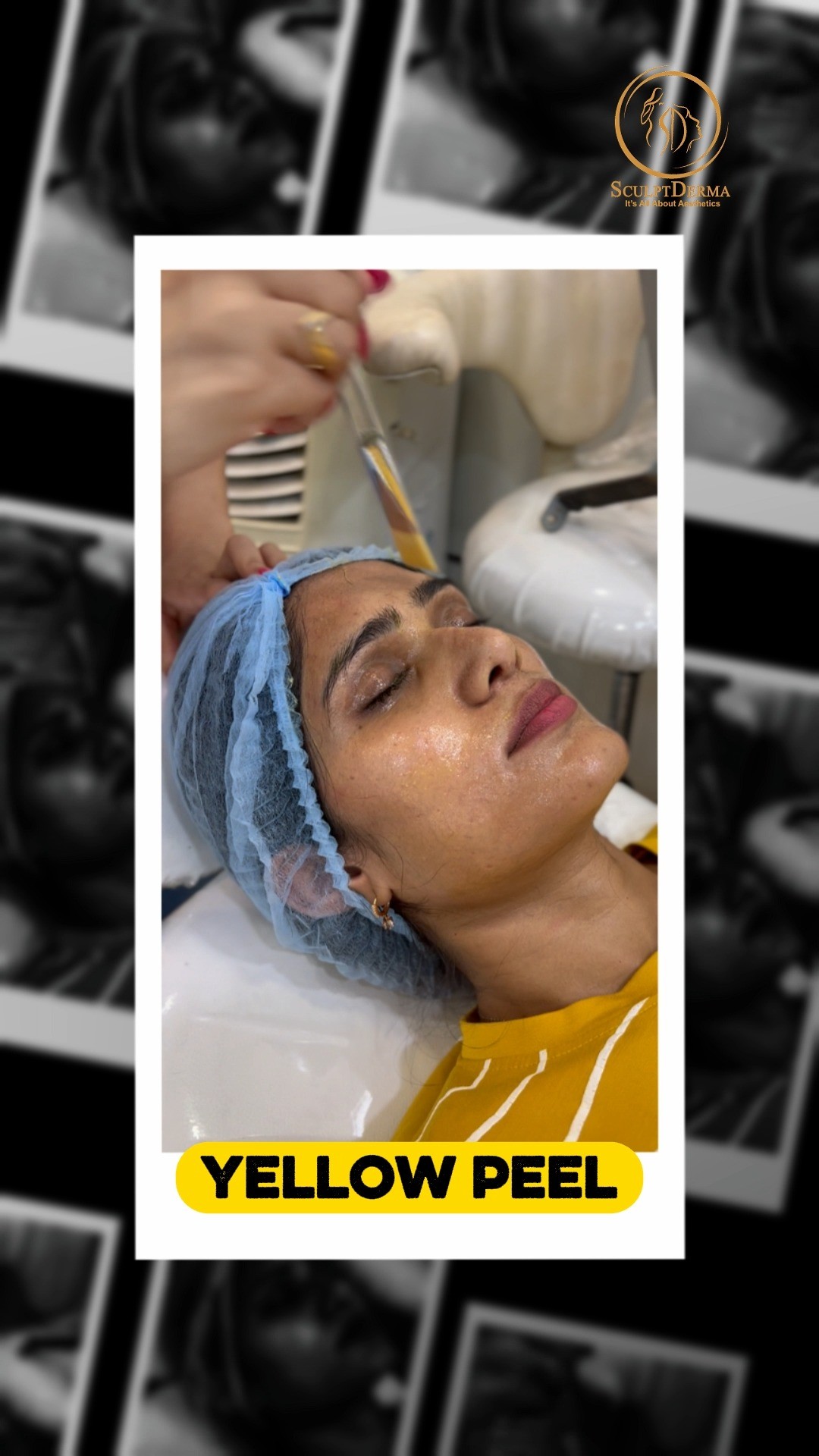
  2. Chemical Peels:
    • Chemical peels involve applying a solution to exfoliate the outer layers of skin, promoting new skin growth and reducing pigmentation. AHAs or trichloroacetic acid (TCA) peels can be effective for treating freckles.
  3. Laser Treatments:
    • Various laser therapies target melanin in the skin to lighten or remove freckles. Ablative lasers remove layers of skin while non-ablative lasers stimulate collagen production without damaging the surface layer.
  4. Cryotherapy:
    • This technique involves freezing freckles with liquid nitrogen, causing them to peel away over time.
  5. Intense Pulsed Light (IPL):
    • IPL uses broad-spectrum light to target pigmentation in the skin without damaging surrounding tissue. It can effectively reduce the appearance of freckles.
  6. Sunscreen:
    • Preventing new freckles from forming is crucial; using broad-spectrum sunscreen with an SPF of 30 or higher daily can help protect against UV rays and minimize further pigmentation.
Preventive Measures

While it may not be possible to prevent freckles entirely, certain practices can help minimize their appearance:

  • Sun Protection: Always wear sunscreen when exposed to sunlight, even on cloudy days. Reapply every two hours if you’re outdoors for extended periods.
  • Protective Clothing: Wearing hats and long-sleeved clothing can help shield your skin from harmful UV rays.
  • Avoid Tanning Beds: Artificial tanning increases your risk of developing new freckles and other forms of skin damage.
  • Regular Skin Checks: Monitor your skin for any changes in existing freckles or new spots that may arise; consult a dermatologist if you notice anything unusual.

Causes of Freckles

Freckles develop due to a combination of genetic factors and sun exposure:

  1. Genetics: Freckles are hereditary. If you have a family history of freckles, you are more likely to develop them. The tendency to freckle is often linked to specific genes that influence melanin production.
  2. Sun Exposure: Ultraviolet (UV) rays from the sun stimulate melanocytes (the cells that produce melanin) to produce more pigment as a protective response.

This increased melanin leads to the formation of freckles. People with fair skin and light hair are particularly susceptible because they have less melanin overall.

Hormonal Changes: Hormonal fluctuations during pregnancy or puberty can also influence freckling patterns in some individuals

Success Stories

More than 250 five-star reviews on Google
5/5

I love my results! The Botox treatments were subtle yet effective—exactly what I wanted. The team made me feel comfortable and confident throughout the process.

4/5

The dermal fillers gave me a refreshed, natural look. I’ve never felt better about my appearance, and the staff’s expertise really shows in the results.

5/5

The staff was welcoming, and the doctors were highly professional and attentive. They thoroughly explained each step of my treatment, ensuring I felt comfortable and confident. The results exceeded my expectations—natural and subtle, just as I wanted.

5/5

After my chemical peel, my skin looks radiant and smooth! The clinic provided excellent care and tailored the treatment to my needs. I highly recommend them!

5/5

The laser hair removal treatments have been life-changing! No more constant shaving, and my skin feels so smooth. The clinic’s staff was professional and made the whole experience easy.

have a question?

Quick answers to questions you may have

Are freckles harmful?

No! Freckles are generally harmless and do not indicate any underlying health issues. However, it’s essential to monitor changes in your skin’s appearance.

Can I get rid of my freckles completely?

While many treatments can significantly lighten or reduce the appearance of freckles, complete removal may not always be possible. Results vary based on individual factors.

Do freckles go away on their own?

Freckles may fade during winter months when there is less sun exposure but often reappear with increased UV exposure during summer.

Are there any home remedies for treating freckles?

There is limited scientific evidence supporting home remedies for treating freckles; however, some people use lemon juice or yogurt due to their natural bleaching properties. Always perform a patch test before trying new treatments at home.

Can anyone develop freckles?

While anyone can develop freckles, they are more common in individuals with fair skin, light hair, and light-colored eyes due to lower levels of protective melanin.

When should I see a dermatologist about my freckles?

If you notice any changes in size, color, or shape of your freckles or if new spots appear suddenly, it’s essential to consult a dermatologist for evaluation.

Conclusion

Freckles are a common and generally harmless skin condition that many people experience throughout their lives. Understanding what causes them and how they can be treated empowers individuals to make informed decisions about their skincare routines and cosmetic options.

If you’re concerned about your freckles or considering treatment options, consult with a qualified dermatologist who can provide personalized advice tailored to your specific needs. With proper care and protection from sun exposure, you can enjoy healthy skin while managing your freckle concerns effectively!