Take the next step & schedule a visit today


Acne Scars

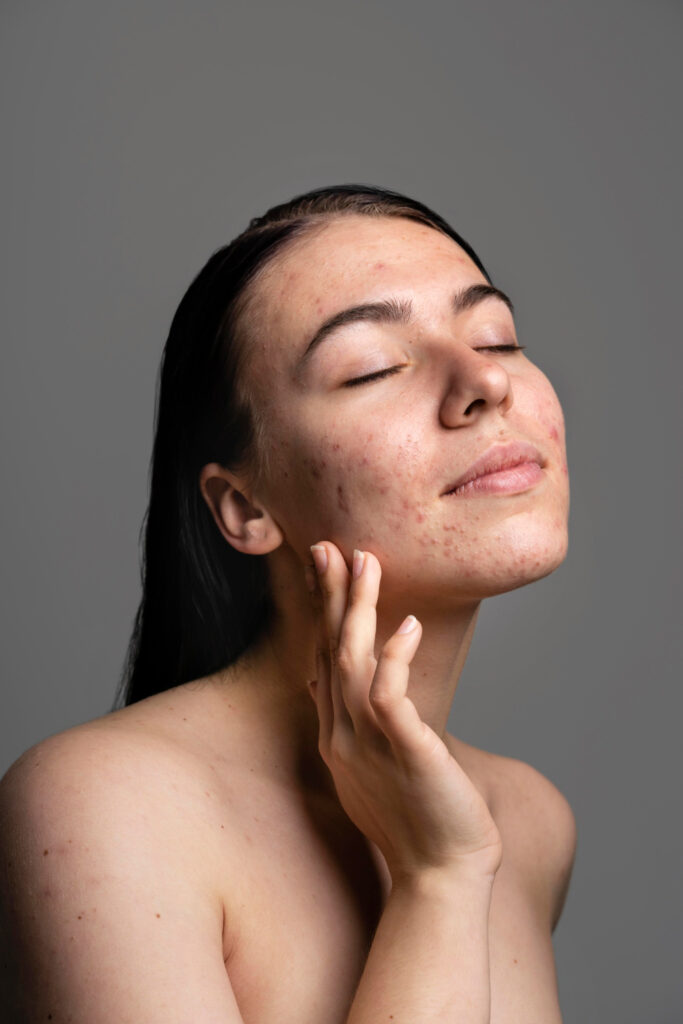
Acne is a common skin condition that affects millions of people worldwide, especially during adolescence. While many manage to overcome the immediate effects of acne, the scars it leaves behind can be a persistent reminder of those challenging times. Acne scars can take various forms and may significantly impact self-esteem and confidence.

request a consultation

Take the next step & schedule a visit today


acne scars

Acne scars are the result of inflammation caused by acne lesions. When the skin experiences severe acne, it can lead to changes in the skin’s texture and appearance, resulting in scars. These scars can be classified into two main categories: atrophic (depressed) scars and hypertrophic (raised) scars.

  1. Atrophic Scars: These are the most common type of acne scars. They occur when there is a loss of tissue due to severe acne. Atrophic scars can be further divided into:
    • Ice Pick Scars: Deep, narrow indentations that resemble small holes.
    • Boxcar Scars: Wider depressions with defined edges that resemble chickenpox scars.
    • Rolling Scars: Scars that have a wave-like appearance due to underlying tissue damage.
  2. Hypertrophic Scars: These raised scars occur when the body produces too much collagen during the healing process. Hypertrophic scars are thick and raised above the surrounding skin but do not extend beyond the original wound.

How it Works

Treatment Options for Acne Scars
  1. Topical Treatments:
    • Retinoids: Prescription-strength retinoids can help promote cell turnover and improve skin texture by encouraging collagen production.
    • Alpha Hydroxy Acids (AHAs): AHAs exfoliate the skin’s surface, helping to reduce hyperpigmentation and improve overall skin texture.
    • Silicone Gel Sheets: These can help flatten raised scars over time by hydrating and protecting scar tissue.
  2. Chemical Peels:
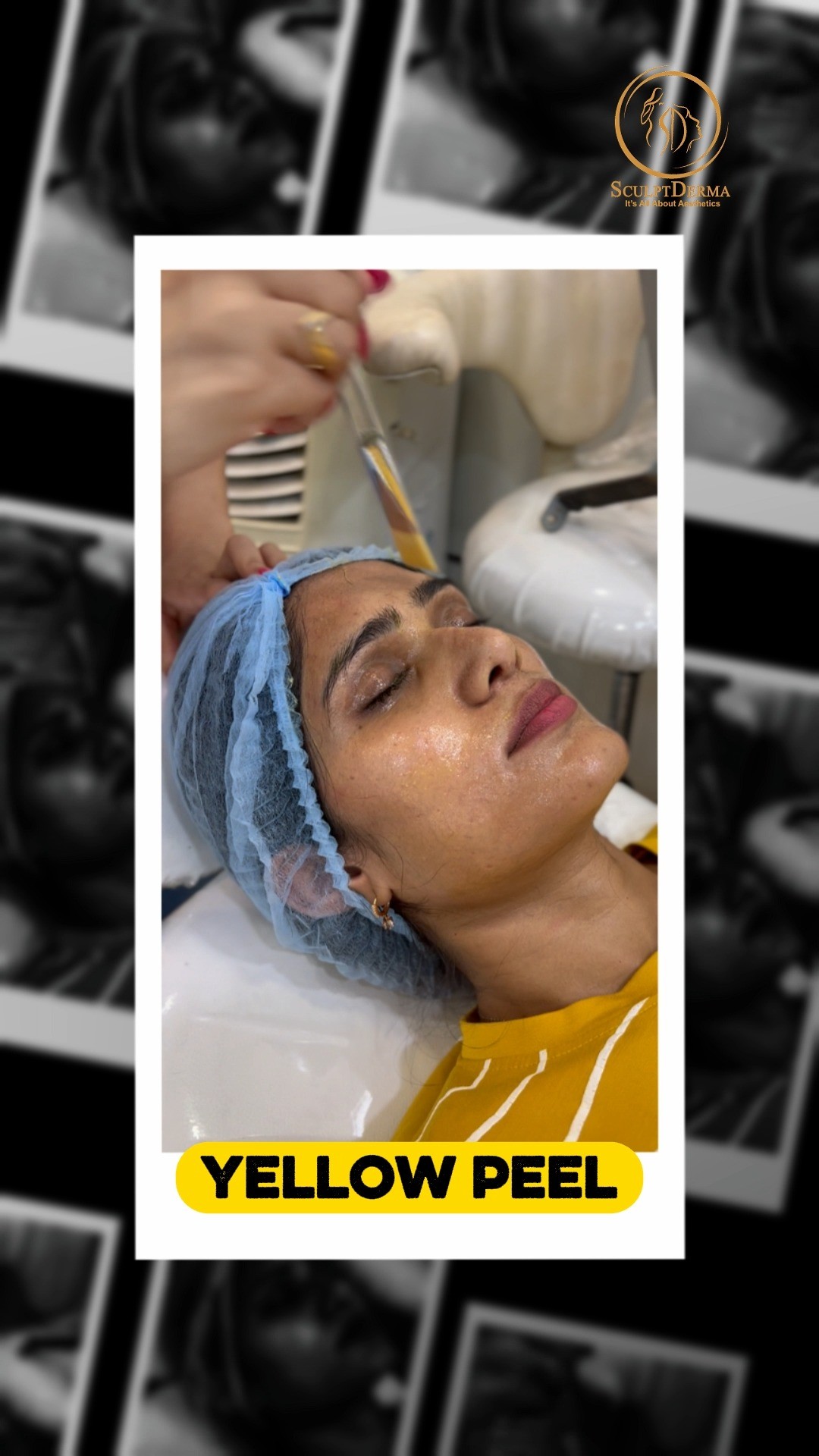
    • Chemical peels involve applying a solution to exfoliate the outer layers of skin, promoting new skin growth. This treatment can improve mild scarring and hyperpigmentation.
  3. Microneedling:
    • Microneedling involves using a device with tiny needles to create micro-injuries in the skin, stimulating collagen production and improving scar appearance. It is particularly effective for atrophic scars.
  4. Laser Treatments:
    • Laser therapy can target specific types of acne scars by removing damaged skin layers or stimulating collagen production. Options include:
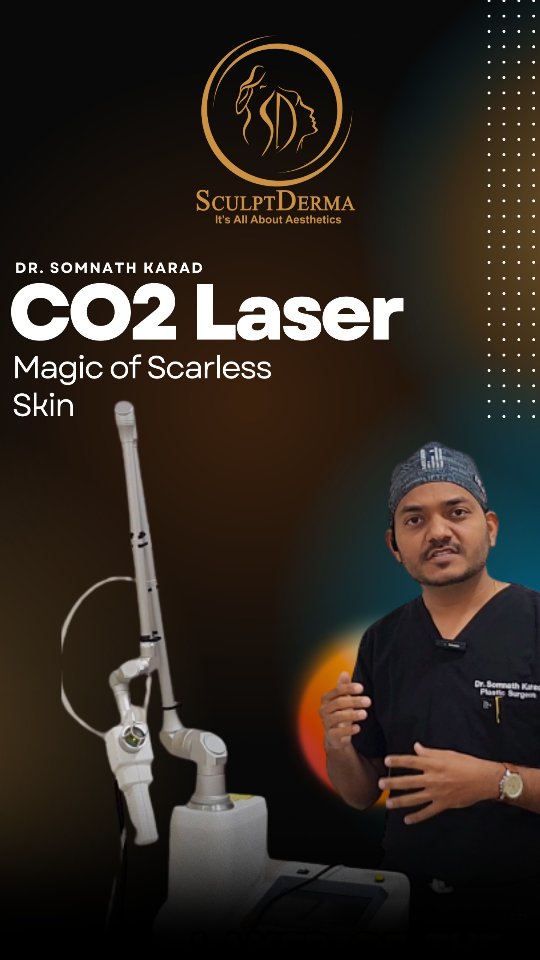
      • Ablative Lasers: These lasers remove the outer layer of skin, promoting new growth.
      • Non-Ablative Lasers: These lasers penetrate deeper without damaging the surface layer, stimulating collagen production without significant downtime.
  1. Dermal Fillers:
    • Fillers can be injected into depressed scars to raise them to the level of surrounding skin temporarily. This option provides immediate results but may require repeat treatments.
  2. Surgical Options:
    • For severe scarring, surgical procedures such as punch excision or subcision may be recommended. Punch excision involves removing individual scars surgically, while subcision involves breaking up fibrous tissue beneath a scar to raise it.
Preventive Measures

Preventing acne scarring begins with proper acne management:

  • Early Treatment: Addressing acne promptly with appropriate treatments can minimize inflammation and reduce the risk of scarring.
  • Avoid Picking or Squeezing: Resist the urge to manipulate blemishes, as this can worsen inflammation and lead to deeper scarring.
  • Sun Protection: Protecting your skin from sun exposure is crucial, as UV rays can darken existing scars and hinder healing.

Causes of Acne Scarring

Acne scarring occurs due to several factors:

  • Severity of Acne: The more severe and inflamed the acne lesions are, the higher the likelihood of scarring.
  • Picking or Squeezing: Manipulating acne lesions can exacerbate inflammation and lead to deeper tissue damage, increasing the risk of scarring.
  • Skin Type: Individuals with darker skin tones may be more prone to hyperpigmentation and keloid formation, which can affect how scars develop.
  • Delayed Treatment: Not treating acne promptly or effectively can lead to more severe lesions and increased scarring.

Success Stories

More than 250 five-star reviews on Google
5/5

I love my results! The Botox treatments were subtle yet effective—exactly what I wanted. The team made me feel comfortable and confident throughout the process.

4/5

The dermal fillers gave me a refreshed, natural look. I’ve never felt better about my appearance, and the staff’s expertise really shows in the results.

5/5

The staff was welcoming, and the doctors were highly professional and attentive. They thoroughly explained each step of my treatment, ensuring I felt comfortable and confident. The results exceeded my expectations—natural and subtle, just as I wanted.

5/5

After my chemical peel, my skin looks radiant and smooth! The clinic provided excellent care and tailored the treatment to my needs. I highly recommend them!

5/5

The laser hair removal treatments have been life-changing! No more constant shaving, and my skin feels so smooth. The clinic’s staff was professional and made the whole experience easy.

have a question?

Quick answers to questions you may have

Can acne scars be completely removed?

While many treatments can significantly improve the appearance of acne scars, complete removal may not always be possible. However, most individuals experience noticeable improvement after appropriate treatment.


How long does it take to see results from treatments?

The timeline for results varies depending on the treatment used. Some topical treatments may show improvements within weeks, while procedures like laser therapy or microneedling may take several months for full results.

Are there any side effects associated with acne scar treatments?

Yes, potential side effects vary by treatment type but may include redness, swelling, peeling, or temporary changes in pigmentation. It’s essential to discuss these risks with your healthcare provider before starting any treatment.

How do I know which treatment is right for me?

Consulting with a dermatologist is crucial for determining which treatment options are best suited for your specific type of scarring and skin type.

Can I undergo multiple treatments?

Yes! Many individuals benefit from combining different treatments for optimal results; however, it’s essential to work with a qualified professional who can create a tailored plan for you.

What should I do if I still have active acne?

It’s important to manage active acne before treating any scarring; consult with your dermatologist about an appropriate plan that addresses both concerns simultaneously.

Conclusion

Acne scars can be a source of frustration for many individuals who have battled acne throughout their lives. Understanding what causes these scars and exploring available treatment options empowers individuals to take control of their skincare journey effectively.